
You know your herd inside and out, and like many ranchers, you can probably estimate the weight of your livestock just by looking at them. While your guess may be within range of your animal’s actual weight, even slight inaccuracies can lead to costly mistakes when it comes to health, feed, and market sales.
Livestock weigh scales are one of the best investments your operation can make. They help with herd management, efficiency, and profitability. In this guide, we cover why animal scales are so important and offer tips for selecting the right one.
What Does a Livestock Scale Actually Do?
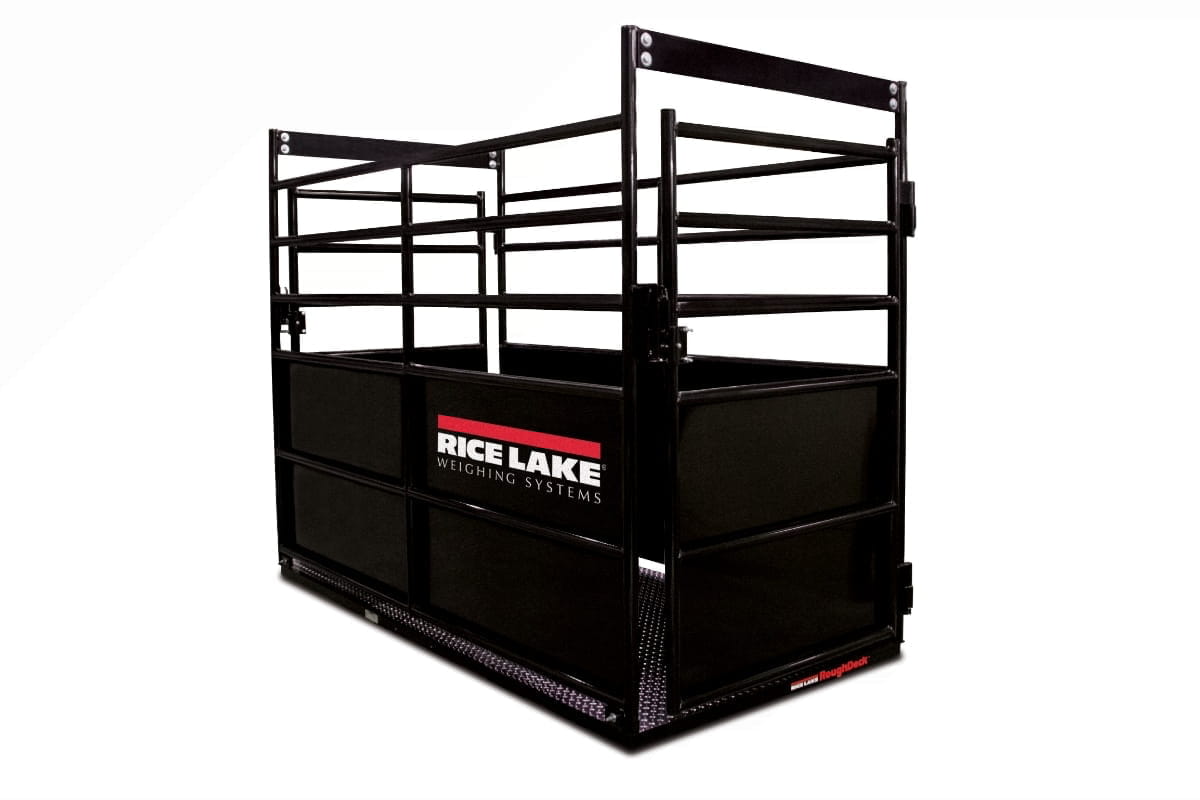
Livestock scales are specifically designed to measure the weight of animals like cattle, hogs, sheep, or goats. Unlike a standard scale, they’re built for agricultural environments and are safe for accurate animal weighing.
Scales for livestock weighing tend to feature:
- Heavy-duty construction to handle large, moving animals in harsh agricultural conditions like dirt, moisture, and outdoor use.
- Platform or chute-based designs so animals can stand securely while being weighed.
- Accurate digital weight readings for herd management decisions.
- Dynamic weighing, which helps capture accurate weights even when animals shift or move.
The Real Benefits of Using Livestock Weigh Scales
Animal weight scales help you make smarter management decisions that can improve efficiency and livestock health. When you rely solely on visual estimates, small errors can add up, especially with bigger herds. Livestock scales offer dependable data that supports every stage of herd management.
1. Better Feed Efficiency and Lower Costs
From household pets like dogs to livestock like cows, feed is one of the largest animal expenses. Using a livestock scale helps you match feed rations to your animal’s actual size and growth stage, rather than just making a best guess.
Accurate weights can prevent over/underfeeding, which helps reduce wasted resources. Over months and years, this leads to healthier herds and stronger returns on feed investment.
2. Health Monitoring and Early Intervention
Regularly weighing your livestock makes it easier to track performance and spot health issues early. Weight loss or stalled growth can be early warning signs of illness or nutritional deficiencies. The right scale allows you to monitor trends over time and respond quickly to potential problems.
3. Accurate Medication and Supplement Dosing
Proper dosing relies directly on body weight. Estimating weight can lead to incorrect dosing, which reduces treatment effectiveness at best and can harm the animal at worst. A livestock scale ensures exact weight so vaccines, dewormers, antibiotics, and supplements can be administered properly.
4. Fair Market Pricing and Stronger Selling Power
If you raise animals for meat, a scale is especially important to your bottom line. Livestock are bought and sold by weight, so accuracy directly impacts your revenue. A reliable scale can ensure animals are marketed at the best time and priced fairly.
Whether you sell at an auction or through direct buyers, verified weight offers total confidence and transparency in your pricing estimates.
Owning a Scale Beats Relying on Estimates or Shared Equipment
Many farmers and ranchers still rely on visual weight estimates or occasional access to shared weighing equipment. While these approaches may work short term, they can lead to inefficiencies and added stress over time.
Owning your own livestock weighing equipment provides consistent access to accurate data and supports better day-to-day herd management. You can expect:
- Convenience and time savings: On-site livestock weighing equipment eliminates the need to schedule shared scales or haul animals off-site, saving time and labor.
- Better data from more frequent weighing: Easy access to a livestock scale allows for regular weight checks, improving growth tracking, feed adjustments, and health monitoring.
- Reduced animal stress: Weighing animals in a familiar environment avoids unnecessary transport and minimizes stress.
- Stronger long-term ROI: Accurate weights support better feeding decisions, health management, and fair market pricing, all of which help the livestock scale pay for itself over time.
Types of Livestock Scales
When picking a livestock scale, there are a few common types to consider. The right scale will depend on the size of your operation and how spread out your animals are.
Portable Livestock Scales
Designed for flexibility and mobility, portable scales are ideal for pasture-based operations or farms that need to weigh animals in multiple locations. They are easy to set up, transport, and store while still providing accurate readings.
Stationary or Permanent Scales
Stationary scales are installed in a fixed location, often within a handling facility or barn. They are well-suited for high-volume operations that weigh animals frequently and need a durable, heavy-duty solution.
Platform Livestock Scales
Platform scales provide a stable surface for animals to stand on during weighing. They are common in pens, barns, and veterinary settings. These scales often include easy-to-read digital indicators and may support dynamic weighing for animals that move during the process.
What to Look for in High-Quality Livestock Weighing Equipment
The best livestock scale is designed for accuracy, durability, and ease of use in real-world agricultural conditions. Knowing what features to look for helps ensure your scale supports efficient herd management and delivers long-term value. Here are factors to consider:
- Accuracy and reliability: A high-quality scale should deliver consistent, precise readings you can trust when making feed, health, and market decisions.
- Heavy-duty construction: Livestock scales must withstand the weight of large animals, frequent use, and harsh agricultural environments.
- Easy-to-read displays: Clear indicators help speed up weighing and reduce errors.
- Dynamic weighing capability: This feature helps capture accurate weights even when animals move on the scale.
- Durable materials: Stainless steel components improve longevity and resist corrosion from moisture and debris.
- Compatibility with handling systems: Look for livestock weighing equipment that integrates easily with chutes, pens, or load bars for efficient workflow.
What Are the Top Brands of Livestock Scales?
When you’re comparing livestock scales, certain brands stand out for durability, accuracy, and rugged design tailored to agricultural needs. Some of the top brands in the industry include Cardinal Scale, Rice Lake, and B-Tek.
UniFide CST carries these top brands and more to help you find the right match for your operation.
Manage Your Herd With Confidence
Better data means better control. Accurate livestock weighing gives you the insight you need to run a more efficient, profitable operation without relying on guesswork. UniFide CST delivers dependable, heavy-duty livestock scales built for real-world agricultural demands. Contact our team to find the ideal livestock scale for your operation and start managing your herd with confidence.